




|
For most of us, inevitably when we hear Haiti our next thought is poverty. This has bothered me. Not because it is not true, but perhaps because it diminishes the Haitian people to a status of needing pity, or to a nation of people who cannot pull themselves together to build a sustainable living. Oh, those poor people. I myself have said this.
I in no way am trying to diminish the level of poverty that exists in Haiti. In January, thanks to the Cabrini Mission Foundation and the Cardinal Bernardin Scholars Program, I had the privilege of participating in an immersion trip to Haiti as part of my graduate coursework in theology. One year after the earthquake, the conditions in Port au Prince are inhumane and deplorable.
I am reminded of what was said when people first learned about Jesus. But Nathanael said to him, "Can anything good come from Nazareth?" Philip said to him, "Come and see." (John 1:46)
I believe some might think, Can any good thing come out of Haiti?
Privilege can be blinding, especially in the ways which we are called to live the Reign of God in our daily lives. The purpose of our immersion trip to Haiti was not about rebuilding or saving Haitian lives. If anything, it was more about them saving our lives from being blinded by privilege, greed, and apathy.
I need to change the way my privileged mind thinks. Sometimes the rest of the world doesnt want the quality of life as defined by U.S. standards. So, when I offer to help those from other cultures or places, I cant impose my knowledge and way of doing things. My privilege needs to take a back seat to the gifts, talents, needs and desires of those I am serving.
One of the great lessons that is still unfolding in my heart from our trip is the notion of social responsibility as taught to our group by some of our Haitian friends. The lessons we learned challenged the greedy business practices in our capitalistic system.
Our Haitian teachers were a group of coffee farmers who partnered with a U.S. parish and developed a business association called Just Haiti. We were meant to attend an association meeting of all of the farmers; our professor was the U.S. rep attending the meeting to do business from the U.S. perspective. We journeyed five hours over mountainous, rough, and rocky terrain to get to the meeting place. We made this trip by vehicle; the farmers made their trip by foot, mule, or dirt bike.
We were asked by the leaders of the association not to speak: a witness to the pride, competence, and leadership of the growers (despite their lack of formal education). The meeting commenced with prayer, and then the lessons began.
Farmer after farmer, men of all ages shared the value of coffee in their lives and communities. Working and owning land was a source of pride, since it was the same land their slave ancestors worked. The coffee trees were part of a long history of providing for their families and community who had survived periods of mass chopping and coffee market crashes. We heard about ways to care for the soil
(erosion is a major problem) and caring for coffee tree nurseries. They spoke of how the profits of the association come directly back to them and how their priority for using the money is for sending their children to school.
The leaders of the association led cheering sessions and repeatedly gave words of encouragement to the farmers about their coffee growing abilities. The leaders also brought in a local Haitian nurse to speak about the cholera epidemic and prevention. The profits from their coffee are meager by U.S. standards, yet those farmers felt a responsibility to their community and as a group, established a healthcare fund to aid growers families who could not afford medical help.
Most of these men never received a formal education, yet they understand and live out the dignity of the human person, the necessity and right for access to healthcare and education, the importance of caring for the earth, and charity towards ones neighbor. This is Catholic Social Teaching at its finest, at work in the Haitian culture.
As a trained accountant and former business professional, I couldnt help but wonder how the world might be transformed if executives of corporate America were at this meeting. Would they be humbled by the social responsibility of these farmers and be willing to sacrifice their personal bonuses towards a health and education fund for the needy in their own communities?
I was also personally challenged by the experience. How much of my life am I willing to sacrifice for the least in my community? Am I willing to hear the dreams and desires of the marginalized in my own community and commit to accompanying them towards their dreams?
If you would like to support these coffee growers, their fair trade, organic coffee can be purchased through www.JustHaiti.org. All profits from sales go directly back to the Haitian farmers.
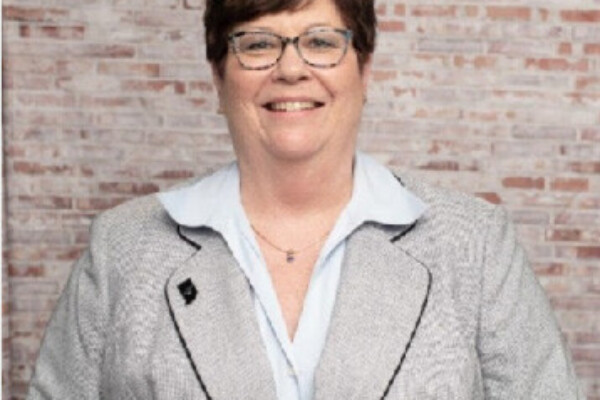
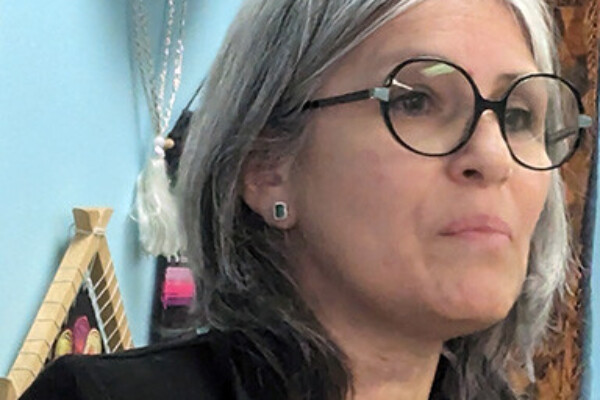
We thank Jayne for offering her insights, soul searching, and concerns for social and economic justice with the Cabrinian community.
|